 Book an Appointment Lal Darwaza branch
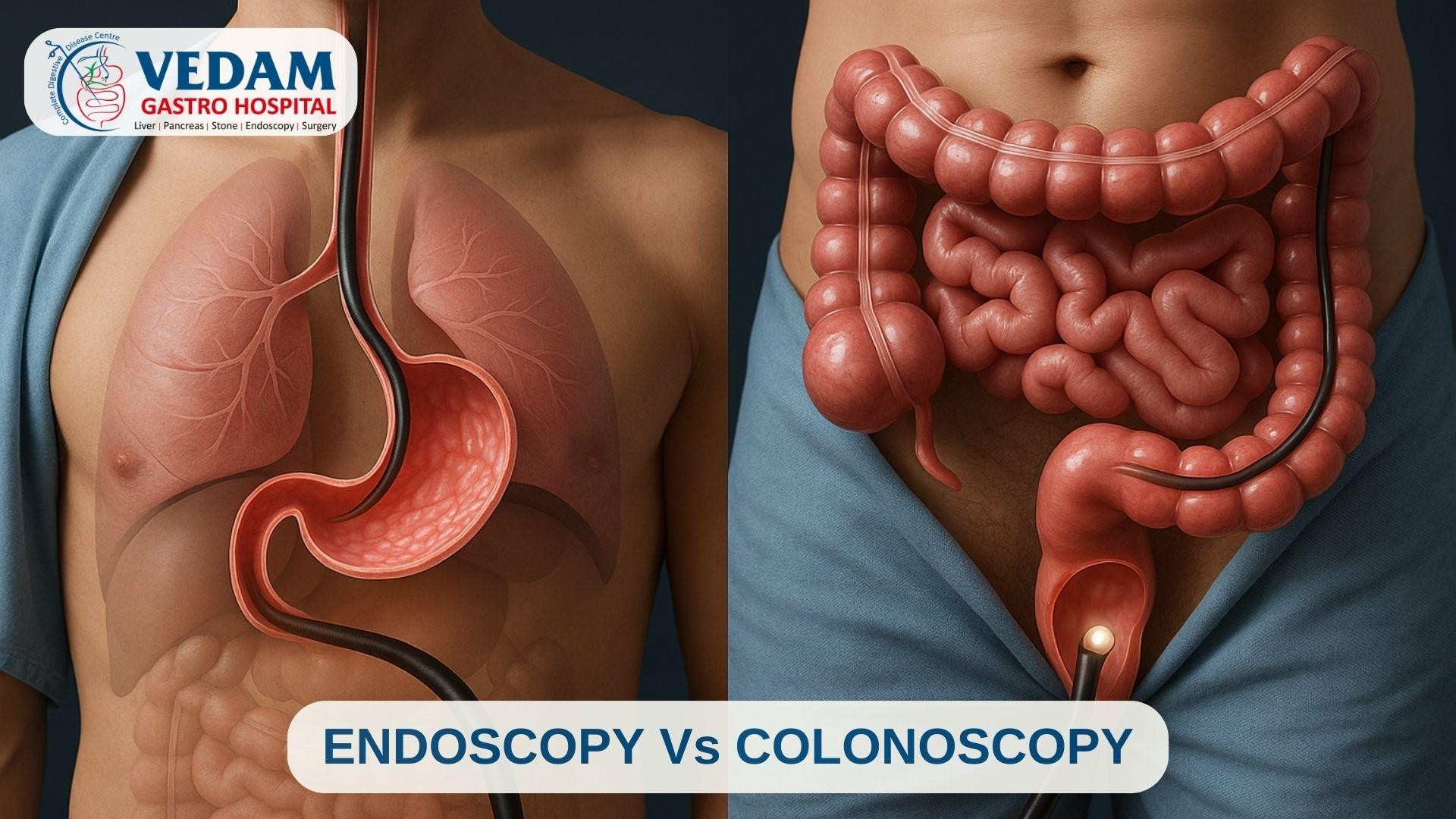
If you’ve ever had stomach trouble that just won’t quit, your doctor might have mentioned an endoscopy or a colonoscopy. Both sound a little intimidating, especially when you’re picturing hospital gowns and mysterious tubes. But they’re actually common procedures that help the Best Colorectal Surgeon In Surat see what’s going on inside your digestive system. The two names get tossed around a lot, and people often mix them up. So let’s clear it up once and for all.
The Basics: What Each One Is
Think of an endoscopy as a window into your upper digestive system. It’s used to check your throat, esophagus, stomach, and the first part of your small intestine. The tool is a thin, flexible tube with a tiny camera and light at the end. Doctors gently guide it down your throat so they can see what’s happening inside.
A colonoscopy, on the other hand, explores your colon, or large intestine. Same kind of camera-tube setup, but this one goes through the rectum instead of the mouth. It helps doctors spot inflammation, polyps, or anything else unusual in your lower digestive tract.
Why You Might Need One
If you’ve been having symptoms like persistent heartburn, nausea, or unexplained stomach pain, our doctors at Vedam Gastro Hospital, considered as one of the best gastro hospitals in Surat, might recommend an endoscopy. It’s useful for finding things like acid reflux damage, ulcers, or gastritis. Sometimes they even take tiny tissue samples (biopsies) during the procedure to rule out infections or early signs of cancer.
A colonoscopy is more about checking your colon’s health. It’s often part of routine cancer screening after age 45. But even younger people might need it if they have unexplained changes in bowel habits, blood in stool, or chronic abdominal pain. It can catch polyps before they become cancerous, which is why doctors take this test seriously.
The Experience: What It Actually Feels Like
For an endoscopy, you’ll usually be sedated, so you’re awake but relaxed, maybe a little foggy. You might have a slightly sore throat afterward, like you’ve had a rough cold. The whole thing takes about 15 to 30 minutes, and most people barely remember it.
What Doctors Look For
During an endoscopy, doctors might find irritation from acid reflux, small ulcers, or even signs of infection. They can take samples or remove small growths on the spot.
In a colonoscopy, the focus is on spotting and removing polyps. These are small clumps of cells that can turn into cancer over time. The beauty of a colonoscopy is that it’s both diagnostic and preventive. Our specialists at Vedam Gastro Hospital, being one of the best colorectal surgeons in Surat, can detect and treat in one go.
Recovery and Results
After both procedures, you’ll probably feel groggy for a few hours because of the sedation. You’ll need someone to drive you home, and you might just want to nap for the rest of the day. Eating light and staying hydrated helps. Most people go back to normal routines by the next morning.
Results depend on what the doctor found. Sometimes you get a verbal summary right away, and biopsy results come later. If they spot anything concerning, our doctors will explain next steps in plain language.
Which One Do You Need?
That depends entirely on your symptoms. If you’ve got heartburn that laughs at antacids, nausea, or upper belly pain, an endoscopy might be your next move. If it’s constipation, rectal bleeding, or unexplained weight loss, a colonoscopy is more likely.
Sometimes people actually need both, especially if the doctor suspects an issue that could affect multiple parts of the digestive tract. It’s not as scary as it sounds. These tests save lives every day because they catch problems before they turn serious.
Final Thoughts
Nobody gets excited about medical procedures, but both endoscopy and colonoscopy are far less dramatic than they sound. The names might feel intimidating, yet the reality is pretty routine. They’re safe, quick, and often the reason someone finally gets answers after months of discomfort.
If your doctor suggests one, don’t panic. Ask questions, understand why it’s needed, prepare well, and get it done from the best stomach hospital in Surat. Your body’s just sending signals that it wants attention and these tests help you listen.