 Book an Appointment Lal Darwaza branch
Peptic ulcers are not as rare as people think. They affect millions of people worldwide and can cause serious discomfort if left untreated. And contrary to the common misconception, they’re treatable. But first, you need to recognize the signs and understand what causes them.
Experts from one of the best gastro hospitals in Surat — Vedam Gastro Hospital — share detailed breakdown about Peptic Ulcers and how to spot them.
What Are Peptic Ulcers?
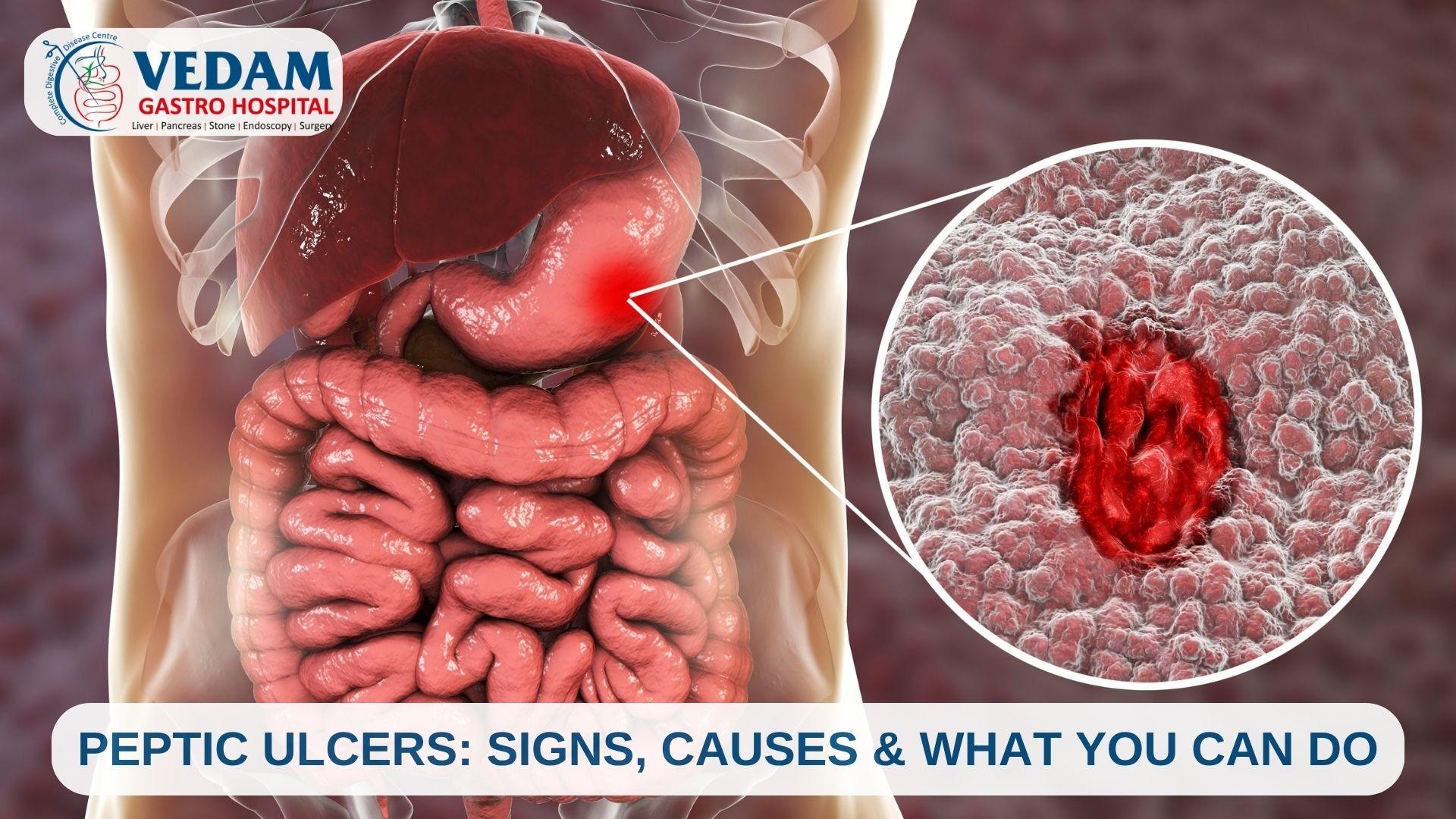
Peptic ulcers are open sores that develop on the inner lining of your stomach or the upper part of your small intestine. There are two main types: gastric ulcers (in the stomach) and duodenal ulcers (in the upper small intestine).
Ulcers form when the protective layer of mucus in your digestive tract wears down, allowing stomach acid to irritate the lining underneath. This can lead to inflammation, pain, and in severe cases, bleeding.
Signs You Shouldn’t Ignore
Most people with peptic ulcers experience some kind of discomfort. The best stomach specialists in Surat, consulting at Vedam Gastro Hospital, share the common signs to watch out for:
● Burning stomach pain: This is the most common symptom. It often feels worse on an empty stomach and may improve after eating.
● Bloating
● Nausea or vomiting
● Loss of appetite
● Weight loss
● Dark or black stools (a sign of bleeding)
● Vomiting blood or material that looks like coffee grounds
Not everyone experiences every symptom. Some people might only have mild discomfort and dismiss it as indigestion. That’s risky. If you notice any of these signs, especially if they persist, get checked by the doctors at Vedam Gastro Hospital, one of the best stomach hospitals in Surat.
What Causes Peptic Ulcers?
Several factors can damage the stomach lining or increase acid production. The most common causes include:
- H. pylori infection: This bacteria lives in the stomach lining and is a leading cause of ulcers. Not everyone infected gets ulcers, but it increases your risk.
- Nonsteroidal anti-inflammatory drugs (NSAIDs): Regular use of pain relievers like ibuprofen, aspirin, or naproxen can irritate the stomach lining.
- Excess stomach acid: Conditions like Zollinger-Ellison syndrome or lifestyle habits (like smoking or high stress) can trigger more acid production.
- Alcohol: Heavy drinking can irritate and erode the mucous lining of your stomach.
- Smoking: It doesn’t just raise acid levels. It also slows healing of existing ulcers.
Contrary to old beliefs, spicy food and stress alone don’t cause ulcers, but they can make symptoms worse.
How Are Ulcers Diagnosed?
Doctors usually start with your symptoms. If they suspect an ulcer, they may recommend:
● Endoscopy: A thin tube with a camera looks inside your stomach and duodenum.
● H. pylori tests: Breath, blood, stool, or biopsy tests can detect the bacteria.
● Imaging tests: In some cases, an X-ray with a barium swallow may be used.
The earlier you catch it, the easier it is to treat.
What You Can Do
Treatment depends on the cause, but here’s a general roadmap:
- Antibiotics: If H. pylori is present, you’ll need a combination of antibiotics to clear it.
- Acid blockers: Proton pump inhibitors (PPIs) and H2-receptor antagonists reduce acid and allow healing.
- Protective medications: Drugs like sucralfate coat the ulcer and protect it from further damage.
- Stop NSAIDs: If they cause ulcers, you may need to switch pain medications.
- Lifestyle changes: These matter. Avoid smoking, reduce alcohol, manage stress, and limit spicy or acidic foods if they trigger your symptoms.
Prevention Tips That Actually Work
● Wash your hands often and eat properly cooked food to avoid H. pylori.
● Use painkillers wisely: Don’t overuse NSAIDs, and take them with food when needed.
● Limit alcohol and avoid smoking.
● Don’t ignore symptoms: Persistent stomach pain isn’t normal. Get it checked.
When to See a Doctor
If your stomach pain keeps coming back, gets worse, or comes with vomiting or dark stools, don’t wait. Ulcers can lead to serious complications like bleeding, perforation (a hole in the stomach wall), or obstruction.
Peptic ulcers aren’t something to brush off. With the right diagnosis and care from the best gastro hospital in Surat, they can heal completely. Listen to your body and act early. Your stomach will thank you.