 Book an Appointment Lal Darwaza branch
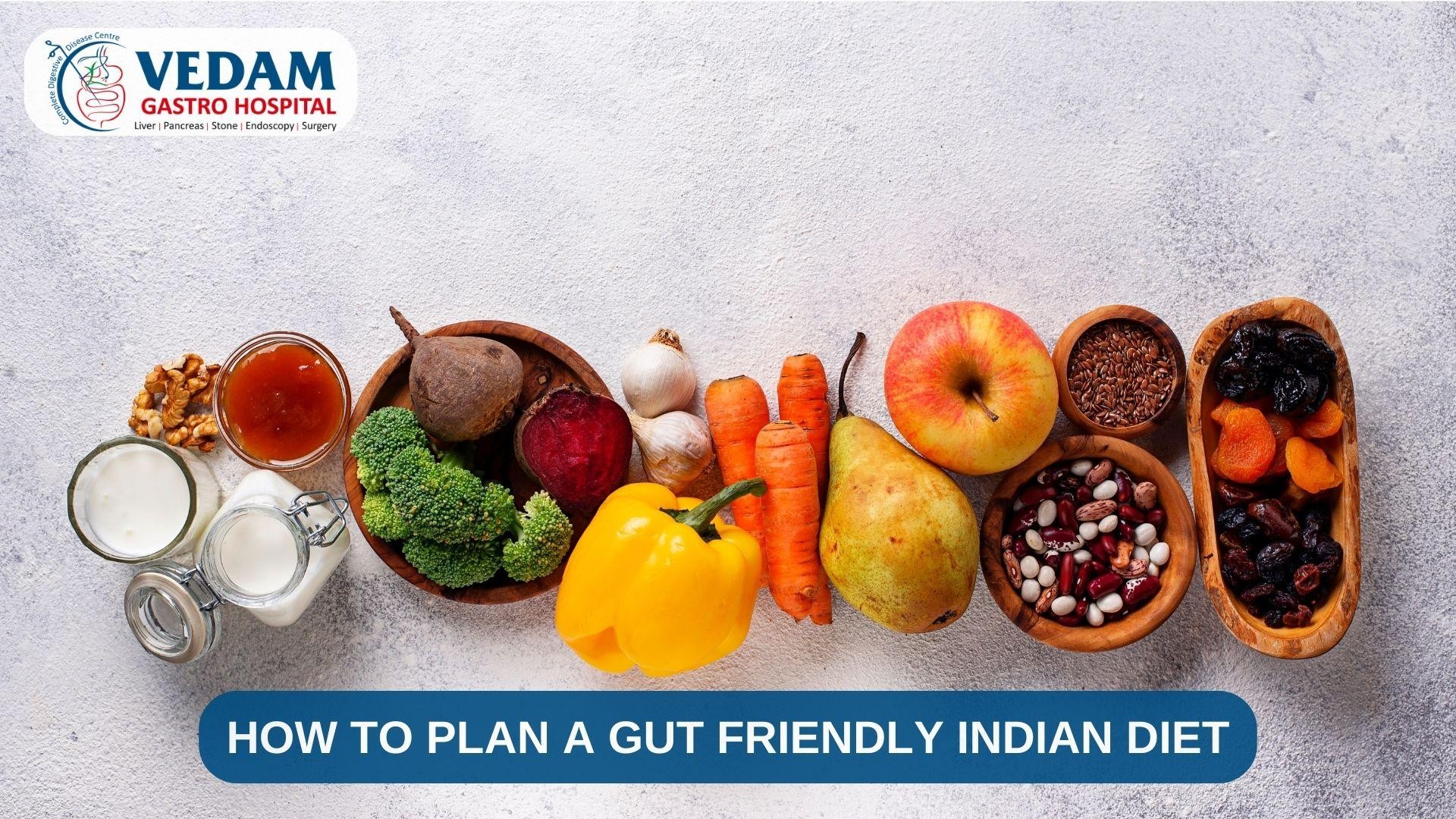
If your stomach feels heavy more often than it should, you’re not alone. Bloating after meals, random acidity, that uncomfortable “brick in the belly” feeling by evening… a lot of it comes down to what and how we eat every day. Indian food can be incredibly nourishing for the gut, but it can also overwhelm digestion if meals are too oily, too spicy, or just… too much. The good news is, you don’t need fancy powders or foreign superfoods. Our Best Stomach Specialist in surat at Vedam Gastro hospital, makes it clear in this blogpost that the most gut-friendly fixes are already sitting in an Indian kitchen.
Start With Foods That Feel Gentle
Think about how your body feels after a simple meal of dal, rice, and a spoon of ghee. Warm, satisfied, not knocked out. That’s your baseline. Soft cooked foods are easier on digestion than dry, heavily fried ones. Khichdi, vegetable dalia, idli, curd rice, lightly sautéed sabzi… these are not “boring diet foods.” They’re practical, time-tested comfort meals for your gut.
Raw salads, on the other hand, can be tricky for some people, especially if digestion is already sensitive. A bowl of cold cucumber and onion might sound healthy, but if it leaves you bloated and reaching for antacids, it’s not doing you any favors. Lightly steaming or sautéing vegetables makes them far easier to tolerate. Your gut cares less about trends and more about digestibility.
Don’t Fear Carbs. Choose the Right Ones
There’s a lot of carb anxiety floating around, but traditional Indian carbs are often gut-friendly when eaten sensibly. Rice, roti, poha, upma, millets, even a plain dosa… these provide energy without stressing digestion. The problem usually starts when portions or meals become carb-only feasts with little fiber or protein.
Pairing carbs with dal, curd, paneer, or vegetables slows digestion and keeps blood sugar steady. Ever noticed how two plain parathas can make you sleepy, but one paratha with curd and pickle feels more balanced? That’s not imagination. It’s physiology doing its thing.
Fermented Foods Are Your Allies
Indian cuisine quietly excels at fermentation. Idli, dosa batter, homemade curd, buttermilk, kanji, pickles in moderation… all introduce beneficial bacteria that support gut health. A small bowl of dahi with lunch can make a surprising difference, especially in hot weather when digestion tends to feel sluggish.
However, experts from the best gastro hospital in Surat, Vedam Gastro Hospital, emphasize on moderation. Too much pickle or very sour curd can irritate sensitive stomachs. Listen to your body. If something makes you feel good consistently, keep it in rotation. If not, scale back without guilt.
Watch the Oil and Spice Level
This one hurts, I know. Deep fried snacks and rich gravies are delicious, but they can overwhelm the digestive system, especially at night. That post-dinner heaviness that makes you regret everything? Usually oil talking.
You don’t have to eliminate flavor. Tempering with cumin, mustard seeds, hing, ginger, garlic, turmeric, and coriander adds depth without drowning food in fat. Hing in particular is famous for reducing gas. There’s a reason grandmothers insisted on it. They weren’t guessing.
Timing Matters More Than You Think
A gut-friendly diet isn’t just about ingredients. It’s about rhythm. Eating large, late dinners and then collapsing into bed is almost guaranteed to cause discomfort. Your digestive system slows down at night. Give it a fighting chance.
Talk to our doctors at Vedam Gastro Hospital, a well known stomach hospital in Surat, and they’ll tell you to keep your dinner lighter than lunch. Something like dal, sabzi, and a small portion of rice or roti works well for many people. And if you’re used to midnight snacking, even shifting that habit earlier can help. Small changes add up faster than dramatic overhauls that last three days.
Hydration, But Not All at Once
Water is essential, obviously, but chugging large amounts during meals can dilute digestive juices and leave you feeling oddly full yet unsatisfied. Sipping water throughout the day works better. Warm water or herbal teas often feel gentler than ice-cold drinks, especially if you’re prone to bloating.
Pay Attention to Your Personal Triggers
Here’s the uncomfortable truth. There is no single perfect gut diet for everyone. Some people thrive on dairy, others feel awful after a glass of milk. Some digest rajma easily, others need a day to recover. Your own patterns matter more than generic rules.
Keep mental notes. Which meals leave you energized? Which ones make you want to lie down immediately? That feedback is gold.
A gut-friendly Indian diet isn’t about restriction or chasing perfection. It’s about cooking in a way that supports your body instead of challenging it at every meal. Warm, balanced, familiar food. Reasonable portions. A little awareness.
Nothing extreme. Just eating like someone who wants to feel good after lunch, not defeated by it.