 Book an Appointment Lal Darwaza branch
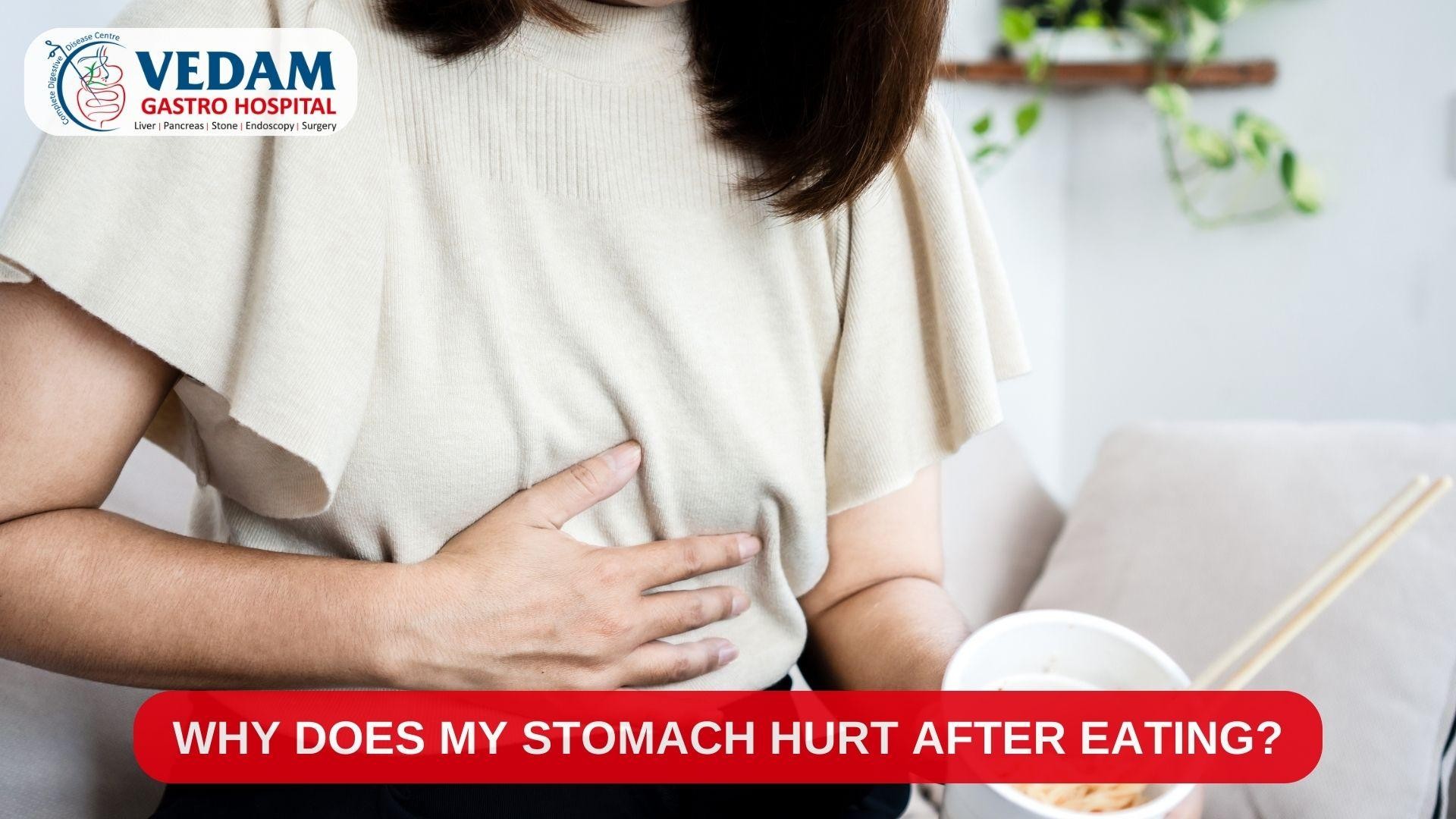
Most of us have had that moment. You finish a meal, sit back, and wait for that nice satisfied feeling to roll in. Instead, your belly tightens. Maybe it gurgles louder than it should. Maybe you feel a dull ache spreading across your middle. It’s annoying. Sometimes it’s worrying. And it always makes you wonder what just went wrong.
Stomach pain after eating isn’t rare at all. It happens for dozens of reasons, from simple overeating to more complicated gut issues. The tricky part is figuring out which one fits your situation. The body is honest, though. It tends to send signals that make sense once you decode them.
Let’s go through the most common causes as explained by the experts at Vedam Gastro Hospital, considered as the best gastro hospital in Surat, and break them down in a way that feels less medical chart and more real-life conversation.
You Ate Too Fast or Too Much
This one feels almost silly because we all know it, yet we still do it. You rush through lunch while replying to emails or shovel dinner because you’re starving after a long day. Then the heaviness kicks in. You feel bloated. Your upper stomach might even stretch in a way that feels sharp for a second.
When you eat too fast, you swallow extra air. When you eat too much, you overwhelm your stomach. Mix the two and you get pressure, trapped gas, and mild pain. Nothing mysterious about it. Your body is just trying to tell you to slow down.
Gas, Bloating, and Foods That Don’t Sit Well
Some foods are just loud. Beans. Broccoli. Carbonated drinks. Cheese for some people. Anything too oily. They cause that tight, balloon-like feeling that creeps up after a meal. You might even hear the bubbling inside your belly when you shift in your chair.
According to the best stomach specialists in Surat, consulting at Vedam Gastro Hospital, gas-related discomfort tends to feel sharp in some spots and dull in others. It can move around, which is why one minute your left side hurts and the next it’s your right. The good news is that it usually passes on its own. The bad news is that it’s annoying every time.
Acid Reflux or GERD
If you often feel a burning sensation rising into your chest, acid reflux is probably the culprit. People think reflux only means heartburn, but it can also cause bloating, nausea, and pain in the upper stomach after eating.
Your stomach makes acid to digest food. That’s normal. But when it splashes back up toward your throat, it irritates everything in its path. Heavy meals, fried foods, late dinners, or too much coffee can all trigger it. Once the wall of your esophagus gets irritated, even a simple meal can spark discomfort.
Food Sensitivities You Haven’t Noticed Yet
A lot of people walk around with mild food sensitivities without realizing it. Not dramatic allergies, just things the gut doesn’t like. Dairy is a classic one. Gluten for others. Some react to onions or garlic. It varies wildly.
IBS or a Sensitive Gut
Irritable Bowel Syndrome is common, yet people struggle with it quietly because it’s unpredictable. One day you eat something and feel fine. Next, the same food gives you cramps and bloating.
IBS pain usually feels like twisting or clenching deep in the belly. Stress makes it worse. Fatigue makes it worse. Large meals definitely make it worse. For many people, it’s less about what they eat and more about how sensitive their gut is in general.
Stomach Infections or a Mild Bug
If the pain comes with nausea, loose stools, or a slightly warm forehead, you might be dealing with a small infection. These bugs usually run their course in a few days. The stomach becomes touchy, so even normal meals can cause discomfort. Consulting a doctor at one of the best stomach hospitals in Surat, like Vedam Gastro Hospital, is best for the patient.
Think of it like a bruised muscle. When your gut is irritated, food feels like pressure on a sore spot.
Gallbladder or Pancreas Issues
This part isn’t meant to scare you. It’s just good to know. Pain that shows up after fatty meals and sticks around near the upper right side of your abdomen might point to the gallbladder. Pain that shoots through to your back and feels deep might involve the pancreas.
These aren’t everyday causes. They tend to come with stronger symptoms, so most people notice quickly that something isn’t right.
When Should You Get It Checked?
If the pain keeps coming back, gets worse, or stops you from eating normally, it’s worth talking to a doctor at Vedam Gastro Hospital, well-known as the best gastro hospital in Surat. Persistent pain is the body’s version of waving a flag.
Most stomach pain after meals has simple explanations, though. Slower eating. Smaller portions. Less greasy food. A little awareness around what triggers you. These small changes often make a big difference.
If your stomach keeps protesting, pay attention. The gut is chatty for a reason. It wants you to listen before things turn into a bigger problem.